

For most people, coffee does not appear to be bad for the kidneys. Large studies link it with a lower risk of chronic kidney disease (CKD), and the National Kidney Foundation (NKF) says people with kidney disease do not have to give it up, though the amount and what you add matter. Alcohol, dark colas and energy drinks deserve more caution, and water is still the best everyday choice.
Key Takeaways
- Coffee is not considered bad for most people with kidney disease, and studies link it with a lower risk of CKD, although they cannot prove cause and effect.
- Several cups a day, plus milk or creamer, can add potassium and phosphorus that matter if you are on a limit.
- Heavy drinking and binge drinking can harm the kidneys, and too much alcohol can raise blood pressure and dry out the body.
- Dark colas and many bottled drinks contain phosphorus additives, and energy drinks are high in caffeine, sugar and additives.
- Water is the best choice for kidney health, but there is no single right amount, and people with advanced CKD or on dialysis may have a fluid limit.
Is Coffee Bad for Your Kidneys?
The research so far is reassuring. A 2020 review pooling four studies with 25,849 people found that coffee drinkers had a lower risk of developing CKD than non-drinkers. A 2019 study in the American Journal of Kidney Diseases, which used genetic data from hundreds of thousands of people, also linked drinking more coffee with a lower risk of CKD and better kidney function test results.
These studies show a link, not proof that coffee protects the kidneys, and the 2019 authors said future studies should look at whether the benefit has a limit. There is no reason to start drinking coffee for your kidneys, but the evidence does not suggest coffee lovers need to stop.
How Much Coffee Is OK if You Have Kidney Disease?
Potassium is the main thing to watch. NKF notes that an 8-ounce cup of black coffee has about 116 mg of potassium, which counts as a low-potassium food. But three to four cups a day is considered high in potassium and could raise your level, while fewer than three cups a day is generally considered safe. This matters most if you have advanced CKD and a potassium limit, because damaged kidneys can struggle to remove potassium, and too much can cause heart and muscle problems.
Caffeine also causes a short but sudden rise in blood pressure, according to NKF, so people who struggle to control their blood pressure may need to drink less than three cups a day. High blood pressure is a common cause of kidney disease, and our post on how blood pressure impacts kidney health explains the connection.
Do Creamers and Tea Change the Picture?
What you add to coffee can matter more than the coffee itself. NKF points out that an 8-ounce cafe latte has 183 mg of phosphorus and 328 mg of potassium, and that manufacturers add phosphates to many coffee creamers. These added phosphates are easily absorbed by the body, so people with kidney disease should limit them. Look for “PHOS” in the ingredient list, and see our guide to managing potassium and phosphorus for more on both minerals.
NKF lists plain tea, like coffee and water, as a lower-phosphorus drink. In a large observational study of more than 176,000 UK adults, people who drank unsweetened tea had a lower risk of developing CKD, while sweetened tea showed no such link; the authors noted other factors could not be ruled out. Canned iced teas, on the other hand, are on NKF’s list of higher-phosphorus drinks.
Is Alcohol Bad for Your Kidneys?
NKF says one or two drinks now and then usually has no serious effects, but drinking too much is different. Alcohol can make the kidneys less able to filter your blood, it dries out the body, and more than two drinks a day can raise your chance of high blood pressure. Heavy drinking on a regular basis has been found to double the risk of kidney disease.
Binge drinking, which NKF describes as usually more than four to five drinks within two hours, can cause a sudden drop in kidney function called acute kidney injury. It usually goes away in time but can sometimes leave lasting damage. If you do drink, ask your care team what amount, if any, is right for you, and keep in mind that one drink means a 12-ounce beer, a 5-ounce glass of wine or a 1.5-ounce shot of liquor.

Can People With CKD or on Dialysis Drink Alcohol?
Ask your care team first. The National Institute of Diabetes and Digestive and Kidney Diseases (NIDDK) advises people with CKD to limit alcohol and ask a health care professional how much is safe for them. NKF adds that some people should not drink at all, and that checking with your provider matters most if you have a medical condition or take medicines that alcohol can affect.
If you are on dialysis, every drink counts toward your daily fluid allowance, alcohol included. NKF notes that people on in-center hemodialysis usually need a fluid restriction, and the amount depends on how much urine they still make. Beer is also on NKF’s list of higher-phosphorus drinks. Your nephrologist and dialysis dietitian can tell you whether any alcohol fits your plan.
Are Soda and Energy Drinks Bad for Your Kidneys?
NKF says regularly drinking soda can raise your risk of diabetes and high blood pressure, the top risk factors for kidney disease. Dark colas are made with phosphoric acid, and in one study of self-reported intake, two or more servings of cola a day was linked with a higher risk of kidney disease. NKF also lists pepper-type sodas and bottled drinks with phosphate additives among higher-phosphorus drinks.
Energy drinks have a lot of caffeine, added sugar, and additives like phosphorus and sodium. NKF counts them as ultra-processed foods, and research has linked a high intake of these foods with a higher risk of kidney disease.
How Much Water Should You Drink for Your Kidneys?
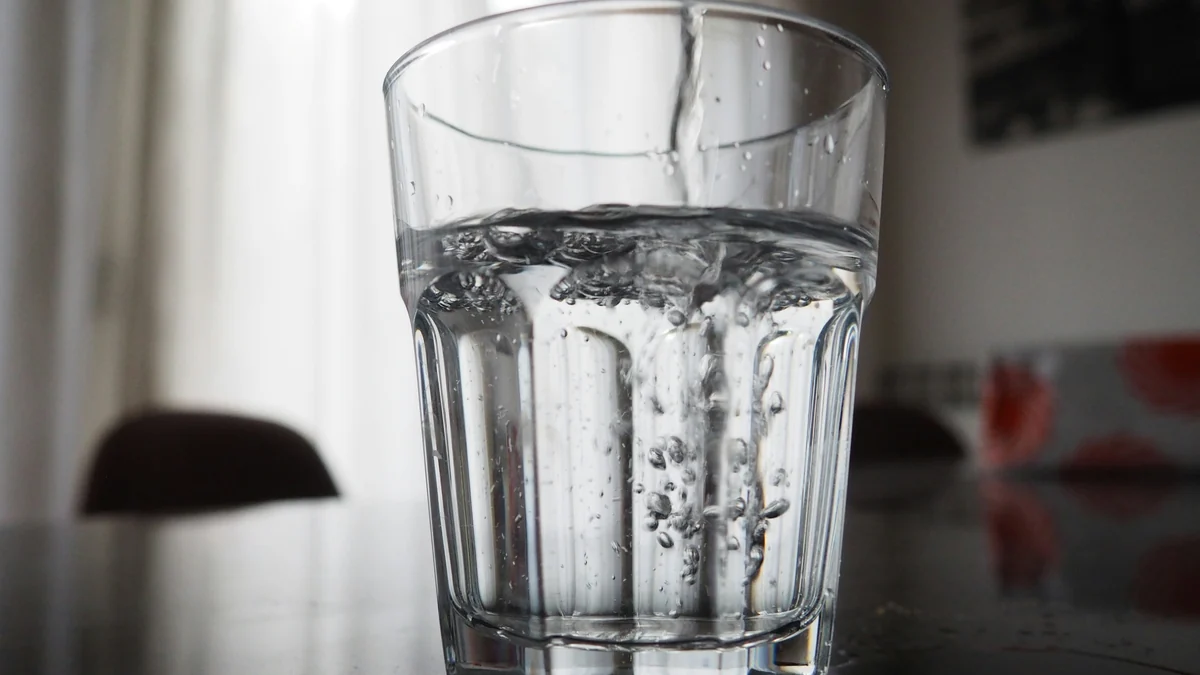
NKF calls water “without a doubt, the best choice for kidney health,” but says there is no one-size-fits-all rule for how much to drink. Not drinking enough can harm the kidneys over time, as our post on dehydration and kidney health explains. If you have had kidney stones, NIDDK calls drinking enough liquid, mainly water, the most important thing you can do to prevent more.
More is not always better when kidneys are damaged. NIDDK notes that people with CKD may need to limit liquids because damaged kidneys cannot remove extra fluid. On a fluid limit, coffee, tea, soda, juice, soup and ice all count.
When Should You See a Doctor About Drinks and Your Kidneys?
Call 911 or go to the emergency room if you have trouble breathing, chest pain or pressure, or sudden confusion. On dialysis, fluid that builds up can collect in the lungs and make breathing hard.
Call your doctor or dialysis team the same day if you notice sudden weight gain with swelling, a rise in your blood pressure, or you are peeing much less than usual. Make a regular appointment if you have CKD and are unsure how much coffee or alcohol is safe, or if your blood tests show high potassium or phosphorus.
Frequently Asked Questions
Does Coffee Count Toward a Fluid Limit?
Yes. NKF says coffee counts as fluid, so if you are on a fluid restriction, include it in your daily allowance.
Is Sparkling Water OK for Your Kidneys?
NKF suggests carbonated water flavored with fruit as a swap for soda. Check the label for added sodium or “PHOS” ingredients.
Are Sports Drinks Good for Your Kidneys?
Not if you are on hemodialysis. NIDDK advises people on hemodialysis to limit or avoid drinks with lots of potassium, phosphorus or sodium, such as sports drinks and vegetable juice.
Is Milk Good for Your Kidneys?
Milk provides calcium and protein, but NKF notes that people with kidney disease may need to limit it because of its phosphorus and potassium.
Is Fruit Juice OK for Your Kidneys?
NKF says unsweetened fruit juice in moderation can help you stay hydrated, but many store-bought juices are loaded with added sugar. If you watch potassium, note that some juices, like orange juice, are higher in it.
Talk to ANC About Your Kidney Health
Questions about what to drink are worth bringing to your next visit. Associated Nephrology Consultants sees patients with all types of acute and chronic kidney disease, including people on dialysis. Contact ANC or call 651-772-6251 to schedule a visit.
Sources
- National Kidney Foundation: Coffee and Kidney Disease: Is It Safe?
- National Kidney Foundation: Alcohol and Your Kidneys
- National Kidney Foundation: Healthy Hydration for Your Kidneys: What to Sip and What to Skip
- National Kidney Foundation: Popular Beverage Protects Against Kidney Disease
- NIDDK: Healthy Eating for Adults with Chronic Kidney Disease
Medical Disclaimer
This article is for general educational purposes only and is not a substitute for professional medical advice, diagnosis, or treatment. Always consult a qualified healthcare provider with questions about your specific care and treatment options.