
Most kidney cysts are simple cysts: small, fluid-filled sacs that become common as people get older, rarely cause symptoms and are almost always harmless. A smaller number look more complicated on a scan and need follow-up imaging or treatment, because some can be or become cancer. Polycystic kidney disease (PKD) is a different, inherited condition that can damage the kidneys over time.
Key Takeaways
- A simple kidney cyst is a thin-walled sac of fluid, usually harmless and often found by chance on a scan done for another reason.
- Simple cysts become more common with age and usually need no treatment.
- Complex cysts look different on imaging and are sorted with the Bosniak system to decide who needs follow-up scans or treatment.
- Polycystic kidney disease is inherited, enlarges the kidneys and reduces their function, which simple cysts do not do.
- If you have a known cyst, call your doctor about pain in your side or back, fever, or blood in your urine.
What Is a Kidney Cyst?
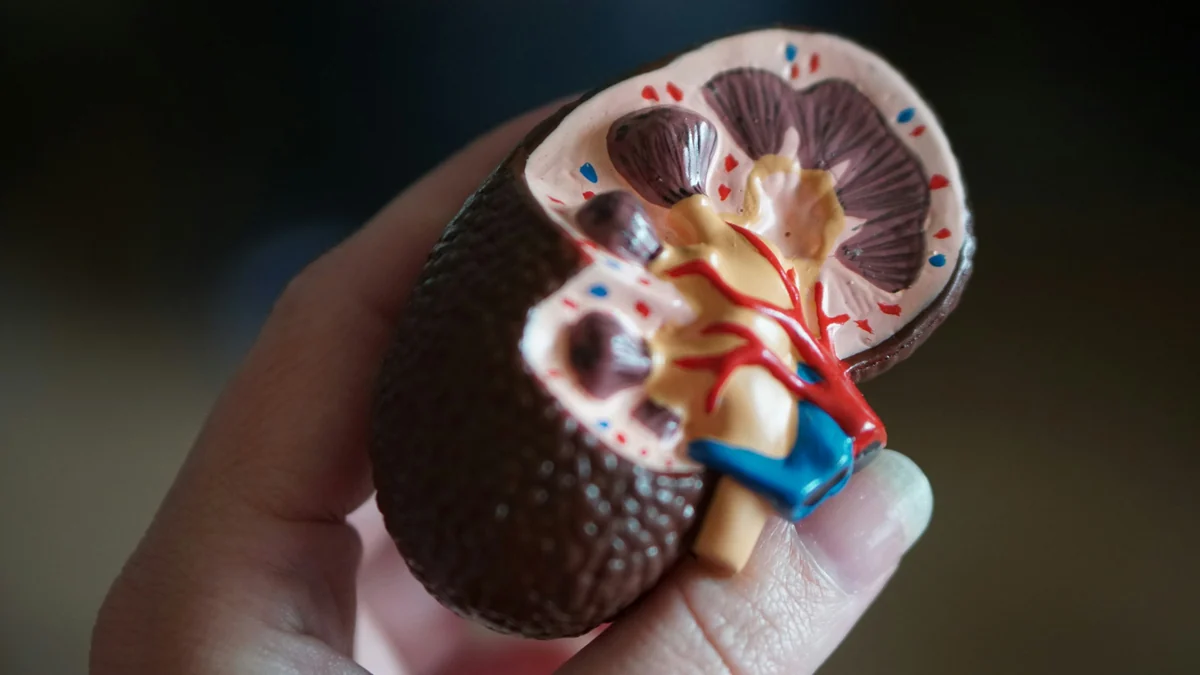
A kidney cyst is a sac filled with fluid that forms on or in a kidney. Simple cysts are usually round or oval with a thin wall, and they range from the size of a pea to the size of a golf ball. You can have one or several, in one or both kidneys.
They are common, though estimates vary. In one large study, about 1 in 10 people had simple kidney cysts, rising to nearly 1 in 5 among people 50 and older, and Cleveland Clinic says up to half of people over 50 have at least one. They are more common in men. The cause is not fully understood, but simple cysts are not inherited.
Why Do Kidney Cysts Show Up on Scans for Other Problems?
Because simple cysts rarely cause symptoms, they are often found by chance on an ultrasound, CT scan or MRI done for another reason. A radiologist, a doctor who reads scans, describes the cyst in the report.
If the cyst looks simple, you usually do not need more tests or treatment. If it does not look clearly simple, your doctor may order a CT scan or MRI, often with contrast dye, to get a better look.
What Does the Bosniak Category on Your Report Mean?
Doctors sort cysts into simple and complex. A complex cyst may be irregular in shape, have a thick wall or contain solid parts, and complex cysts are far less common than simple ones. The Bosniak system, named after the doctor who created it, groups cysts by how they look:
- Category I: a simple cyst. No follow-up is needed.
- Category II: has a few features that count as complex, but no follow-up is needed.
- Category IIF: the F means follow-up. Cleveland Clinic puts the cancer risk at about 5%, so repeat scans are used to watch for change.
- Categories III and IV: a much higher chance of cancer. American Urological Association guidance notes that about half of category III cysts and most category IV cysts prove to be cancer when removed.
For category III and IV cysts, a urologist usually leads the discussion about treatment, often surgery. For some people, especially when the risks of surgery outweigh its likely benefit, close monitoring with repeat scans may be the better choice. Removing a complex cyst before it becomes cancer is usually very effective.
Do Kidney Cysts Cause Symptoms?
Usually not. In rare cases, a cyst grows large enough to cause a dull ache in your back, side or upper belly, becomes infected and causes fever, pain and tenderness, or bursts and causes pain or blood in your urine.
Rarely, a cyst can also block the flow of urine or blood through the kidney, or raise blood pressure. If you are unsure where your pain is coming from, see where kidney pain is located.
How Are Kidney Cysts Monitored, and When Are They Treated?
A simple cyst that causes no symptoms is usually left alone. Some people are asked to have regular ultrasounds to watch for change. When monitoring is needed, imaging is often repeated every 6 months to 2 years. Your doctor may also check your kidney function with blood and urine tests; this guide explains what kidney function test results mean.
Treatment is considered when a cyst causes pain, gets infected, blocks the flow of urine or blood, or looks suspicious for cancer. Two common options are:
- Sclerotherapy: a long needle, guided by ultrasound, drains the cyst, and an alcohol solution is injected so it is less likely to refill. It is usually an outpatient procedure with local anesthesia.
- Laparoscopic surgery: for large cysts, a surgeon drains the cyst through small cuts and removes or burns away its outer wall, under general anesthesia, sometimes with 1 or 2 days in the hospital.
How Is a Kidney Cyst Different From Polycystic Kidney Disease?
Polycystic kidney disease is a genetic disorder that causes many cysts to grow in the kidneys. Unlike simple cysts, PKD cysts can change the shape of the kidneys and make them much larger. PKD is a form of chronic kidney disease that reduces kidney function and may lead to kidney failure. It can also cause high blood pressure, cysts in the liver and problems with blood vessels in the brain and heart.
The most common type, autosomal dominant PKD, is usually diagnosed in adulthood, and in most cases a parent passed on the gene. Having one or two simple cysts does not mean you have PKD. If you have many cysts, enlarged kidneys or a family history of PKD, ask about it. If PKD is confirmed, read about polycystic kidney disease treatment options.
What Should You Ask After a Scan Shows a Kidney Cyst?
A report that says “cyst” can sound alarming, but it is usually not a cause for concern. Questions worth asking:
- Is the cyst simple or complex, and what Bosniak category is it?
- Do I need another scan, and if so, which kind and when?
- Are my kidneys still working well?
- What symptoms should make me call you before my next visit?
- Does my family history or blood pressure change anything?
- Should I see a urologist or a nephrologist (kidney specialist)?

When Should You See a Doctor About a Kidney Cyst?
Get care right away if you:
- Have a fever or chills with pain in your side, back or belly, which can be a sign of infection
- Have sudden, severe pain in your side or back
- See blood or blood clots in your urine
- Cannot urinate
If symptoms are severe and you cannot reach your doctor quickly, go to an emergency room.
Make an appointment if:
- Your report shows a Bosniak category of IIF or higher and you have no follow-up plan yet
- You have a dull ache in your side or back that does not go away
- You notice changes in how often you urinate
- You have many cysts or a family history of PKD
Frequently Asked Questions
Can a Simple Kidney Cyst Turn Into Cancer?
It is very unlikely. Simple cysts are almost always benign, and they are called simple because there is little chance they will become anything more serious.
Do Kidney Cysts Grow?
Some grow over time and others stay about the same size. As people age, simple cysts tend to get bigger and more numerous, but that alone is not usually a problem.
Can You Prevent Kidney Cysts?
According to the NIDDK, there is no way to prevent simple kidney cysts, and they become more common with age.
Will a Kidney Cyst Affect My Kidney Function?
Simple cysts rarely harm the kidneys or affect how well they work. A cyst in certain spots can affect the kidney, which is why your doctor may check your kidney function.
Are Cysts Different If I Have Kidney Disease or Am on Dialysis?
They can be. People with long-term kidney disease can develop many cysts, called acquired cystic kidney disease, which becomes more common the longer someone is on dialysis. It is linked with a higher chance of kidney tumors, so ask your care team whether you need screening scans.
Should My Family Be Tested If I Have a Kidney Cyst?
Simple cysts are not inherited, so usually not. If PKD runs in your family, genetic testing can show whether you carry the gene, so talk with your doctor.
Talk to ANC About Kidney Cysts
If you have many cysts, a family history of PKD, or changes in your kidney function or blood pressure, a nephrologist can help you understand what it means. ANC sees patients with polycystic kidney disease and other kidney conditions, and in most cases you need a referral from your primary care doctor, depending on your insurance plan. Contact ANC or call 651-772-6251 to ask about an appointment.
Sources
- NIDDK: Simple Kidney Cysts
- National Kidney Foundation: Simple Kidney Cysts
- Cleveland Clinic: Kidney Cysts
- NIDDK: What Is Polycystic Kidney Disease?
- American Urological Association: Renal Mass and Localized Renal Cancer Guideline
Medical Disclaimer
This article is for general educational purposes only and is not a substitute for professional medical advice, diagnosis, or treatment. Always consult a qualified healthcare provider with questions about your specific care and treatment options.