

Diabetes can damage your kidneys slowly, over many years, by harming the tiny blood vessels that filter your blood. This is called diabetic kidney disease, and it usually causes no symptoms at first. A yearly urine test and blood test can find it early, when reaching your blood sugar and blood pressure goals does the most good.
Key Takeaways
- About 1 in 3 adults with diabetes has kidney disease, and diabetes is the most common cause of kidney disease.
- High blood sugar and high blood pressure both damage the kidneys’ filters, usually slowly and without warning signs.
- Two tests check your kidneys: a urine albumin-to-creatinine ratio (UACR) and a blood test called eGFR.
- The American Diabetes Association advises both tests at least yearly with type 2 diabetes, or after 5 years of type 1 diabetes.
- Reaching your blood sugar and blood pressure goals, not smoking, staying active and certain medicines can slow or prevent kidney damage.
How Does Diabetes Damage Your Kidneys?
Your kidneys clean your blood through tiny filters called glomeruli, which are made of small blood vessels. Over time, high blood sugar can narrow and damage these vessels, and the damaged filters let albumin, a protein your body needs, leak into your urine. Many people with diabetes also have high blood pressure, which damages the same filters. Read more about how blood pressure affects kidney health.
The American Diabetes Association (ADA) calls kidney disease from diabetes the leading cause of kidney failure in the U.S., and the CDC reports that diabetes and high blood pressure together account for 2 out of 3 new cases of kidney failure. Still, most people with diabetes and kidney disease never reach kidney failure, and treatment can slow the damage.
Who Is Most Likely to Get Diabetic Kidney Disease?
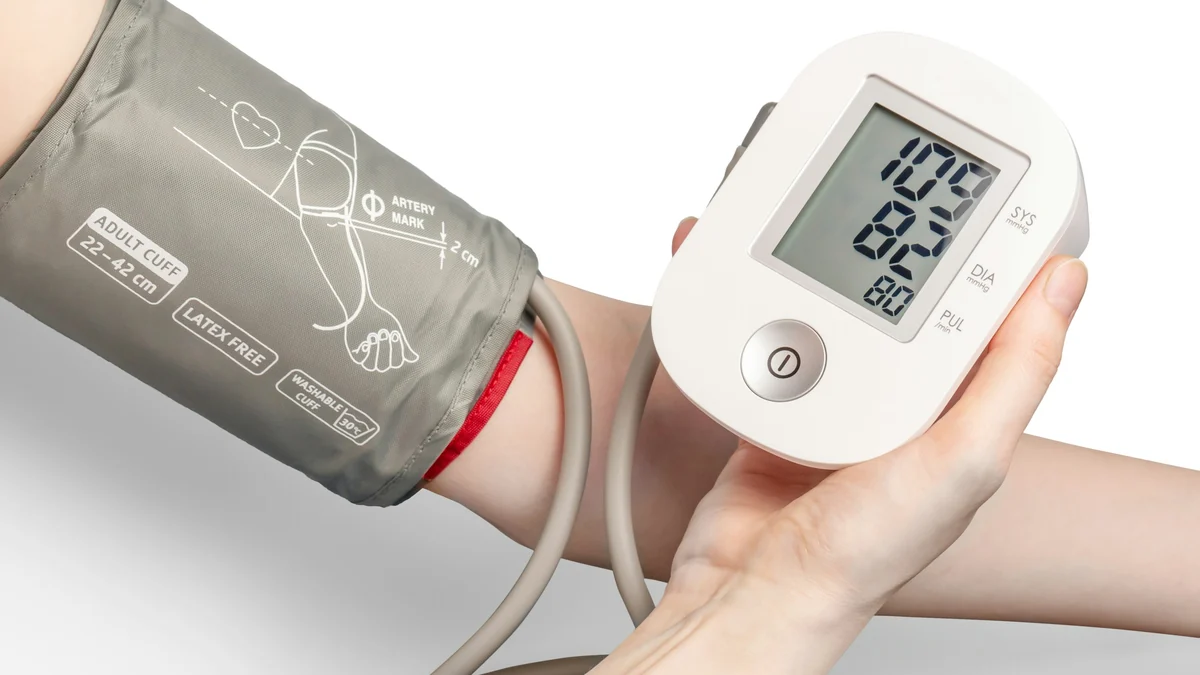
The longer you have diabetes, the higher the chance of kidney damage, especially if your blood sugar or blood pressure stays too high. Smoking, not being active, being overweight, eating a lot of salty food, heart disease and a family history of kidney failure all raise the risk. African Americans, American Indians, and Hispanic and Latino Americans develop diabetes, kidney disease and kidney failure at higher rates.
In type 1 diabetes, kidney disease usually develops after about 10 years. In type 2 diabetes, it may already be present when diabetes is first diagnosed, partly because type 2 diabetes can go unnoticed for a long time.
Does Diabetic Kidney Disease Cause Symptoms?
Usually not at first. Most people with diabetic kidney disease have no symptoms, and the only way to know is to get your kidneys checked.
Symptoms tend to appear in later stages. They can include swelling in your face, hands or feet, foamy urine, feeling very tired, nausea or vomiting, trouble focusing, itchy skin, muscle cramps, and needing less insulin than before. Each has many other possible causes, so treat them as a reason to get checked, not as a diagnosis.
Which Tests Check Your Kidneys, and How Often?
Two tests work together:
- Urine albumin-to-creatinine ratio (UACR): a urine sample that measures albumin. A result of 30 mg/g or less is normal, and more than 30 mg/g may be a sign of kidney disease.
- Estimated glomerular filtration rate (eGFR): a number worked out from a blood creatinine test that shows how well your kidneys filter. An eGFR of 60 or more is in the normal range, and below 60 may mean kidney disease.
Our guide to kidney function test results explains these numbers, and our post on protein in the urine covers albumin.
The ADA recommends both tests at least once a year if you have type 2 diabetes, or if you have had type 1 diabetes for 5 years or more. One high urine result is not a diagnosis: exercise in the past day, an infection, a fever, very high blood sugar or a menstrual period can raise urine albumin for a while. Doctors look for at least 2 of 3 abnormal results over 3 to 6 months. If you already have kidney disease, your care team may repeat the tests 1 to 4 times a year.
What Can You Do Every Day to Protect Your Kidneys?
The best way to slow or prevent diabetic kidney disease is to reach your blood sugar and blood pressure goals. For many people with diabetes, the A1C goal is below 7 percent, and the ADA’s 2026 guidance recommends blood pressure below 130/80 when it can be reached safely. Your own goals may differ, so ask your care team.
Daily habits help:
- Do not smoke, or ask for help to quit.
- Follow a diabetes meal plan and limit salt. A dietitian can help.
- Make physical activity part of your routine.
- Stay at, or work toward, a healthy weight.
- Check with your doctor before using pain relievers called NSAIDs, such as ibuprofen or naproxen, or herbal supplements, since some can harm the kidneys.

Which Medicines Can Help Protect Your Kidneys?
Several kinds of medicine can slow kidney damage in people with diabetes. Which ones fit you depends on your type of diabetes, your test results and your other health conditions. Classes your doctor may discuss include:
- ACE inhibitors and ARBs: blood pressure medicines whose names end in “pril” or “sartan.” The ADA recommends one of them for people with diabetes and high blood pressure who have albumin in their urine or an eGFR below 60.
- SGLT2 inhibitors and GLP-1 receptor agonists: diabetes medicines the ADA recommends for people with type 2 diabetes and kidney disease, to slow kidney damage and lower heart risk.
- Finerenone: a nonsteroidal mineralocorticoid receptor antagonist the ADA recommends for some people with type 2 diabetes, kidney disease and albumin in the urine.
Some of these medicines need follow-up blood tests for kidney function and potassium, and several are not safe during pregnancy, so tell your doctor if you are pregnant or planning to be. Never start, stop or change a medicine on your own. Talk to your doctor or pharmacist first.
When Should You See a Nephrologist?
The ADA advises seeing a kidney specialist (nephrologist) if:
- your urine albumin is rising quickly or your eGFR is falling quickly
- your eGFR is below 30
- it is unclear whether diabetes is causing your kidney disease
- care is getting harder to manage, for example with anemia, bone and mineral problems, blood salt (electrolyte) problems, or blood pressure that stays high despite treatment
The ADA notes that seeing a nephrologist when stage 4 kidney disease develops has been found to lower costs, improve care and delay the need for dialysis. Learn more about CKD stages and treatment.
When Should You Get Medical Care Right Away?
Call 911 or go to the nearest emergency room if you have:
- chest pain or pressure
- trouble breathing
- new confusion or a seizure
- very little or no urine, especially with swelling, weakness or nausea
Make an appointment soon if you notice new swelling in your feet, ankles, hands or face, foamy urine, unusual tiredness, itching or muscle cramps. Also ask about testing if you have diabetes and have not had a urine albumin test in the past year.
Frequently Asked Questions
Can Diabetic Kidney Disease Be Reversed?
Kidney damage that has already happened usually cannot be undone. But early treatment can slow it or even stop it from getting worse, and a urine albumin level that stays the same or goes down can be a sign that treatment is working.
Does Everyone With Diabetes Get Kidney Disease?
No. About 1 in 3 adults with diabetes has kidney disease, and most people with diabetes and kidney disease do not develop kidney failure.
Is a Urine Dipstick Test Enough?
Not on its own. The ADA says a dipstick result needs to be confirmed with a lab UACR test, so it is simpler to start with the UACR.
Can Type 1 Diabetes Cause Kidney Disease Too?
Yes. Both type 1 and type 2 diabetes can cause it. In type 1 diabetes it usually takes years to develop, which is why yearly testing starts after 5 years.
Should I Eat Less Protein?
Do not cut protein sharply on your own. The ADA advises most people with diabetes and kidney disease to eat about the amount recommended for everyone and to avoid very high-protein diets, which are linked with faster kidney damage. A registered dietitian can help.
Do I Need a Referral to See a Nephrologist?
In most cases, you need a referral from your primary care doctor to see a nephrologist, but it may depend on your insurance plan.
Talk to ANC About Diabetes and Your Kidneys
ANC cares for people with kidney disease related to diabetes and high blood pressure. If your tests show signs of kidney damage, or your doctor has suggested seeing a nephrologist, Contact ANC or call 651-772-6251, Monday to Friday, 8:30 AM to 4 PM.
Sources
- NIDDK: Diabetic Kidney Disease
- NIDDK: Chronic Kidney Disease Tests and Diagnosis
- American Diabetes Association: Chronic Kidney Disease and Risk Management, Standards of Care in Diabetes 2026
- CDC: Chronic Kidney Disease Basics
- Cleveland Clinic: Diabetes-Related Nephropathy
Medical Disclaimer
This article is for general educational purposes only and is not a substitute for professional medical advice, diagnosis, or treatment. Always consult a qualified healthcare provider with questions about your specific care and treatment options.